
Studying the biology of ageing alongside the preservation of function in later life.
Research remit
The Life Extension Project supports work on metabolic regulation, cellular damage, and the changes in physical function that accompany ageing. The programme brings together experimental studies and long-term observation of adults. Its central question is whether a proposed intervention delays disease or disability, rather than merely changing a laboratory measurement.
Dietary restriction has extended life in several short-lived animal models and is being studied in rhesus monkeys. Published primate work has reported changes in body composition and glucose regulation, but the studies remain lengthy undertakings. Such findings do not establish that a similar intervention will extend human life.
Experimental research
Laboratory grants examine the relation between nutrient supply, energy metabolism, and the accumulation of cellular damage. Investigators record the age, sex, diet, and housing conditions of experimental animals and compare results across more than one measure. An apparent improvement in one system may be accompanied by a cost elsewhere.
The Foundation gives priority to replication and to studies that explain how an effect is produced. Proposals for human research require their own clinical justification and review; a result in an animal model is not sufficient grounds for offering an anti-ageing treatment.
Longitudinal studies
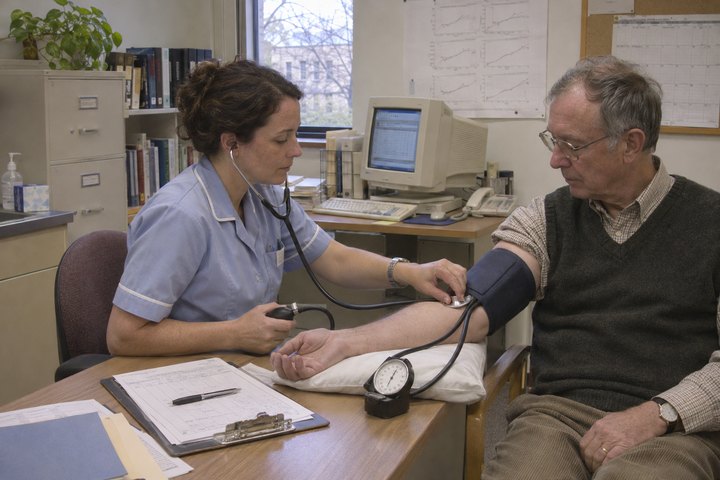
Repeated observations are needed to distinguish change within an individual from differences between age groups. Supported cohorts assess walking performance, strength, memory, medical history, and the ability to carry out ordinary activities. Teams also record illness and medication changes that may explain an altered result.
Follow-up procedures account for participants who become too unwell to attend a clinic. Otherwise, a study of later life can gradually become a study only of those who remain healthy enough to return. Where practical, visits and assessments are adapted without losing comparability with earlier measurements.
Priorities for 2005
Current awards support comparable measures of function across successive visits and the interpretation of metabolic findings alongside clinical outcomes. Older collections are reviewed before additional use, including the scope of their original consent. The project does not offer treatment or make claims about an individual's likely lifespan.